



Filtration performance begins with design.
Before choosing the appropriate Wedge Wire screen type, prepare for several basic requirements:
- Filtration Objective: What is your primary filtration goal? Is it for impurity separation, downstream equipment protection, or dewatering?
- Filtrate Characteristics: What are the characteristics of the material to be filtered? Is the specific gravity lighter, heavier, or indistinguishable from water? Is it viscous?
- Equipment Operating Pressure: What is the operating pressure (kgf/cm²)? This will influence the structural strength selection.
- Cleaning and Discharge Method: What is your preferred method for cleaning and residue discharge? For example: with scraper blade, screw, or backwash etc.
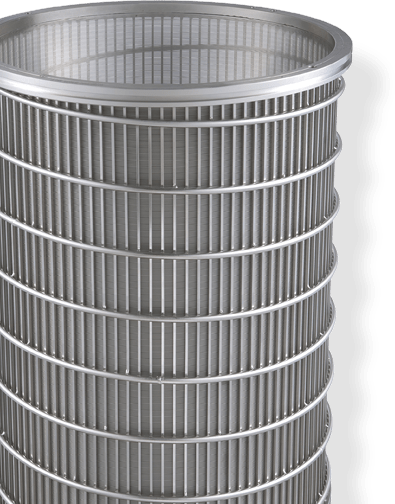
The liquid flow direction determines the particle retention location, which directly affects the screen's self-cleaning capability and structure. The configuration of the screen, such as the inner and outer positioning of the V-wire and the support rods, influences both the filtration performance and structural strength.
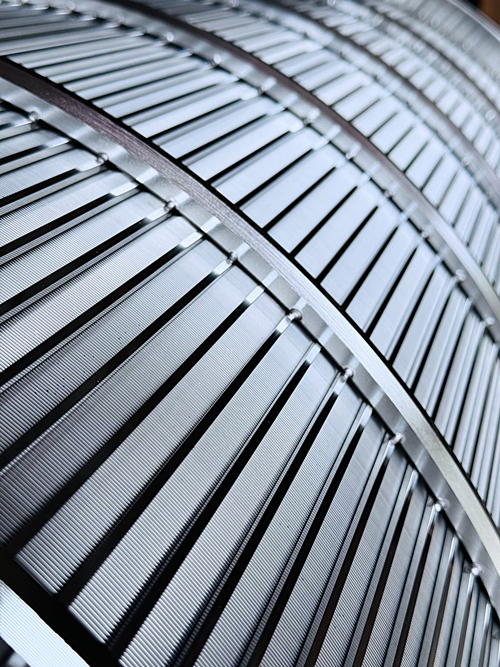
Wedge Wire Screens are classified into the following types based on application requirements and liquid flow direction:
| Flow direction | Desciption | Produciton capability | |||
|---|---|---|---|---|---|
| Size (mm) | Minimum slot (mm) | ||||
| Internal to External Flow | 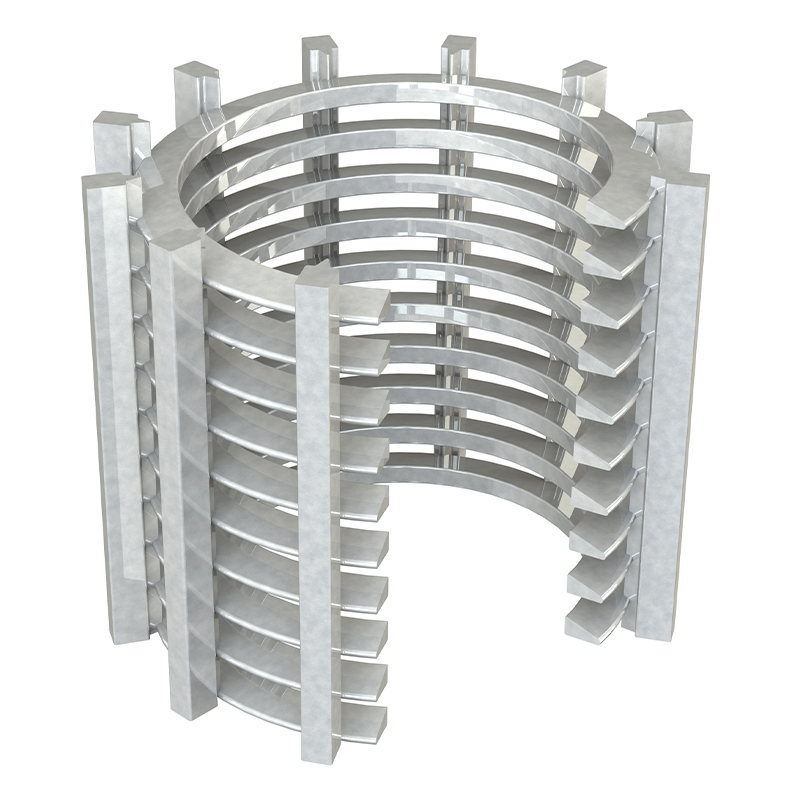 |
FITO - Radial Internal | Featuring internal wires and external support rods, the rods are oriented axially along the screen height. | OD>120 | 0.04 |
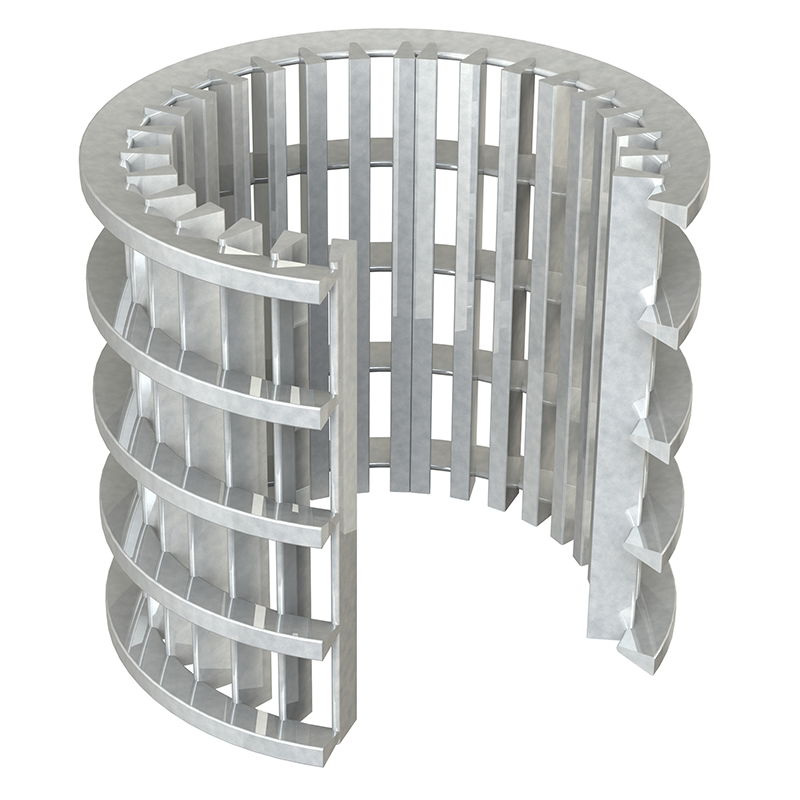 |
FITO - Axial Internal | Featuring internal wires and external support rods, the wires are oriented axially along the screen height. | OD>120 | 0.04 | |
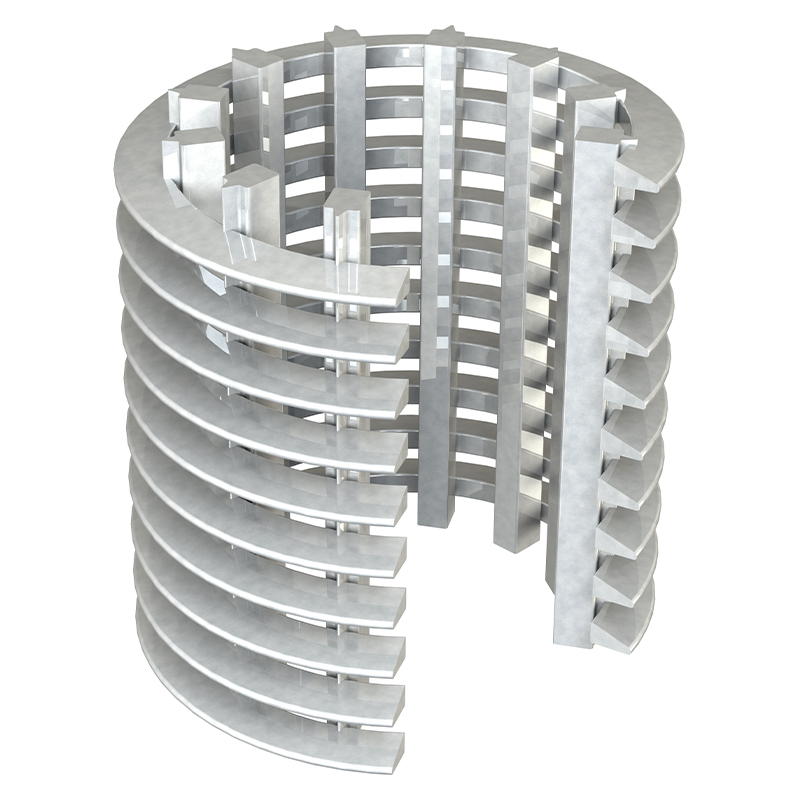 |
FITO - Radial External - Reverse | Featuring an external wire and internal support rods, this structure is similar to the Radial External – Standard Type, but with a reversed filtration direction. | 32<OD<2000 | 0.04 | |
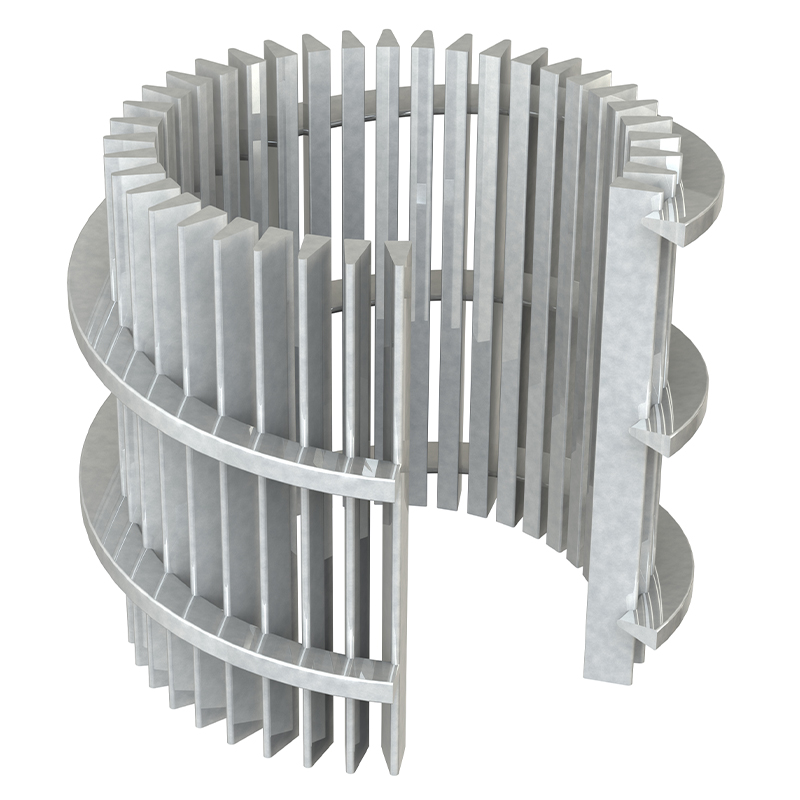 |
FITO - Continuous Support | Similar to the Axial Internal Type, but features an integrated, seamless design that provides better roundness, slot uniformity, and strength. | 32<OD<2000 | 0.10 | |
| External to Internal Flow | 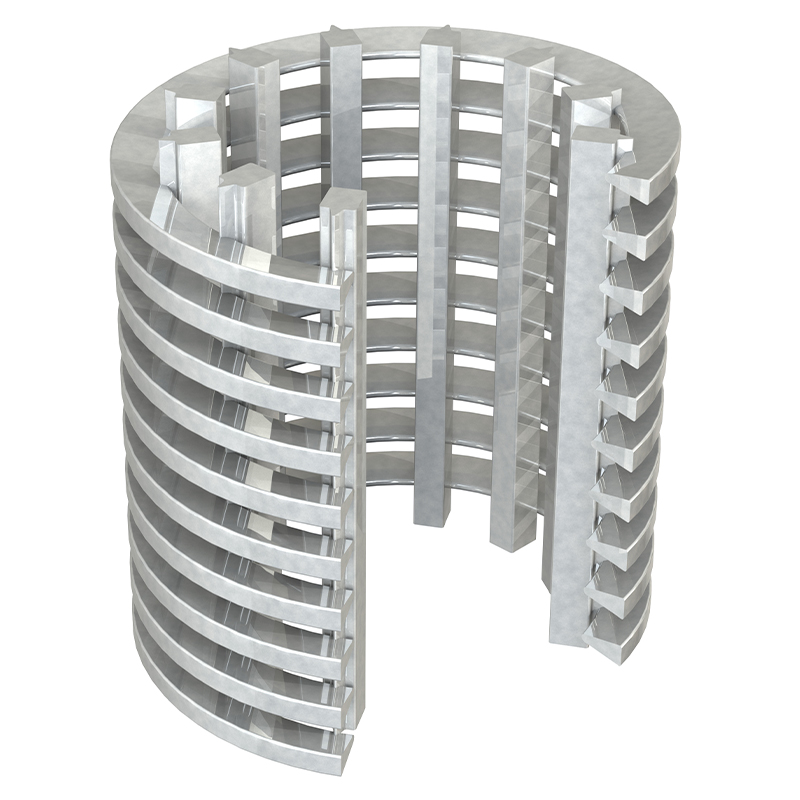 |
FOTI - Radial External – Standard | Featuring an external wire and internal support rods, the rods are oriented axially along the screen height. | 32<OD<2000 | 0.02 |
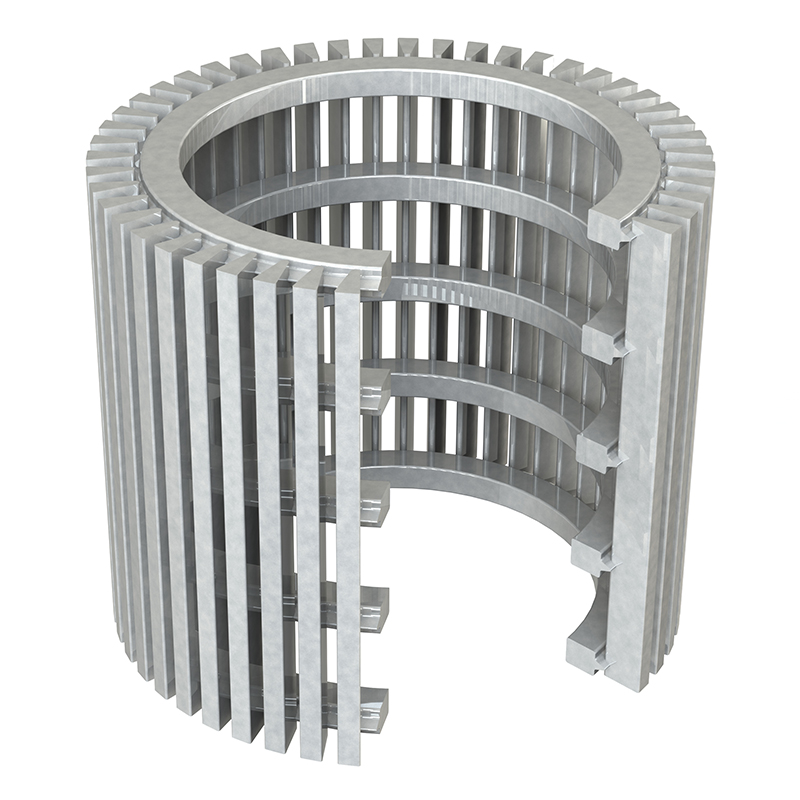 |
FOTI - Axial External | Featuring external wires and internal support rods, the wires are oriented axially along the screen height. | OD>120 | 0.04 | |
 +886-4-2682-2061
 Contact Us Now!